
 Instagram
英文
| 中文
186 results found
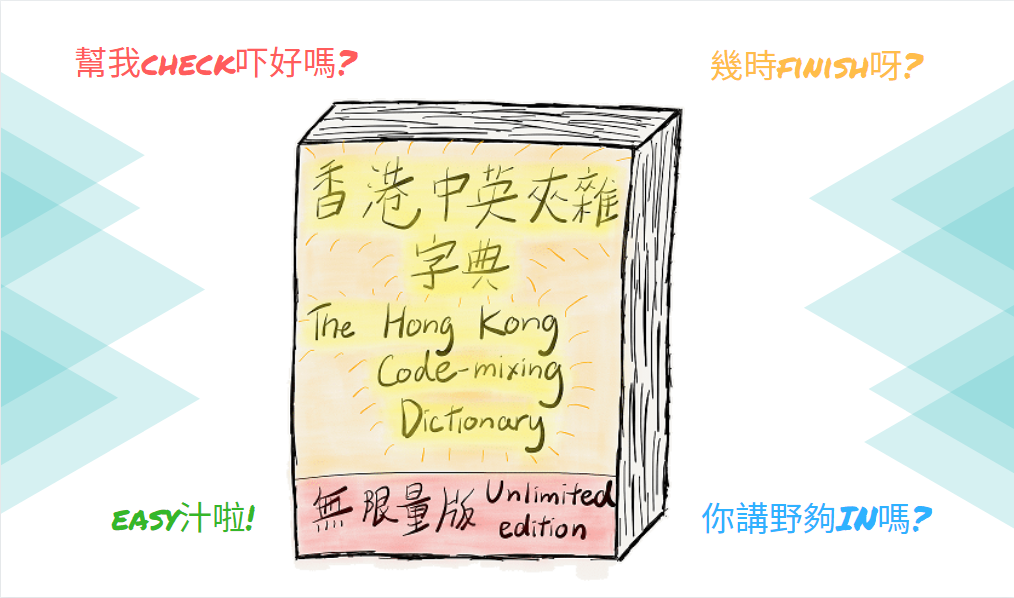
定義: Often added with a ‘咗’ like the ‘-ed’ form in English for past tense, this is a code-mixing term that is used by working class Hong Kongers to refer to having completed something, such as an event or project.
用法: E.g. 你地finish咗個project未呀? E.g. 終於finish咗個event!
同義詞: 完成
參考: https://www.businesstimes.com.hk/articles/157451/創新科技獎學金2024-挑選25位傑出大學生-每人最高15萬港元獎學金/
定義: (verb) A code-mixing term used by local Hong Kong students to refer to a less physical directing of attention onto something. Sometimes, it may be used in order to avoid sounding like one has ADHD.
用法: E.g. 老師,我頭先focus唔到聽書,可唔可以再講多次?(Teacher, I really can't focus on listening to your lecture. Can you repeat again?)
同義詞: 專注; 集中
參考: https://www.instagram.com/p/CynQSwpSd-P/?img_index=5 (使用手機版本)
定義: A code-mixing term used by Gen Z native Hong Kongers that refers to a person who loves food and likes to try different kinds of food. However, it is often used as a term similar to the level of a gourmet even though the person may not be a food expert.
用法: E.g. 而家啲ig foodie以為自己真係食評家。(Nowadays the foodies on IG really think they are real gourmets.)
同義詞: 美食愛好者
參考: https://lihkg.com/thread/2093295/page/1
定義: This is a code-mixing term that Hong Kongers like to refer to a social event.
用法: E.g. 最近公司有咩function要搞?
參考: https://www.gotrip.hk/生活/中英夾雜-港式廣東話-gt12-772959/
定義: Derived from ‘generate’, this is a code-mixing term that native Hong Kongers like to use to refer to generating report using a computer.
用法: E.g. 幾時gen到份report?
同義詞: 生成
參考: https://hk.ulifestyle.com.hk/topic/detail/20052582/香港職場30個中英夾雜用語-內地網民-自己會粵語也聽不懂/1
定義: Originated from meat being very expensive back in the 1950s, this is a Kongish code-mixing idiom used by native Hong Kongers who like to joke about giving birth to a piece of cha siu rather than their children.
用法: E.g. You are so naughty and never do well in school! I would rather give birth to a cha siu than you!
同義詞: 生舊叉燒好過生你
定義: Known as Kongish, this is a code-mixing phrase used by native Hong Kongers to describe someone who eats so much, which is similar to 'eats like a pig' in English. (為死貓)
用法: E.g. You eat 5 meals a day? What a gluttonous cat!
同義詞: 為食貓
參考: https://www.cantonese.sheik.co.uk/dictionary/words/48371
定義: Often pronounced as 'grandma', this is a code-mixing term that local Hong Kong students use to refer to the set of rules that define the structure of a language, which can be difficult and annoying sometimes like a grandma.
用法: E.g. 今次考試要考埋英文grammar。真係好麻煩呀!(The exam will also cover English grammar this time. So frigging annoying!)
同義詞: 語法
參考: https://lihkg.com/thread/3389792/page/1
定義: (textspeak) Transliterated from ‘緊‘, this is a Kongish code-mixing term that is added to the end of verbs to denote the sense of ongoing, just like the ‘ing’ in English as in ‘doing’.
用法: E.g. Nei jo gun d meh ar? (你做緊d咩呀?) E.g. Ngo sik gun farn ah. (我食緊飯呀)
同義詞: 緊
參考: https://hklanguage.home.blog/tag/kongish/
定義: A code-mixing term used by native Hong Kongers to refer to the occasion at the end of October where people celebrate by putting on scary costumes, which is more like a cosplay event or social party than something religious.
用法: E.g. 其實halloween只係一個occasion俾平時唔敢cos play 嘅人扮下嘢 俾小朋友學下social 真係無宗教意義同無任何evil嘅嘢 最evil 就係晒d糖好肥會爛牙 (In fact, Halloween is just an occasion for people who don't usually put on cosplay costumes to play around, as well as let children learn to social. There is really no religious meaning or anything that is evil. The most evil thing is getting fat and rotten teeth from eating too much candy.)
同義詞: 萬聖節
參考: https://www.threads.com/share/BAHNW6bYI0/