
 Instagram
英文
| 中文
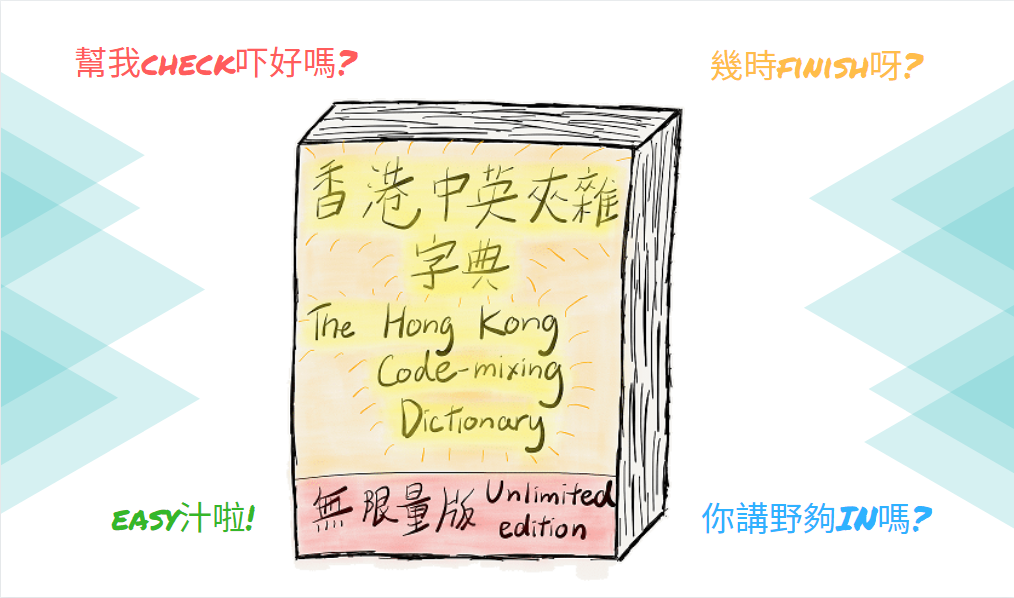
10 個隨機詞彙,共 997 個結果
定義: A romanised Cantonese phrase that westernised Hong Kongers use to ask the waiter to get the bill.
用法: E.g. Mai daan, mm goi! (埋單, 唔該!)
同義詞: 埋單
參考: https://homekong.com.hk/blogs/read/helpful-cantonese-phrases-to-know
定義: A code-mixing term created by Hong Kong KOL Matthew (matthewpwj_) and Janice (janicewanwan) to refer a typical Hong Kong mother whose teaching style towards children often includes many English words mixed into their Cantonese dialogue.
用法: E.g. Jayden呀,如果你兒家唔食野,下次Mami就唔帶你黎呢D restaurant,去返樓下茶餐廳食算喇。(Jayden, if you don't eat, Mami will not bring you to this kind of restaurant again, we will go back to the Cha Chan Teng downstairs next time.) E.g. Elaine,你係咪講粗口呀,Mami好shocked呀。你平時唔係咁架喎,你係邊度學壞呀? (Elaine, did you swear? Mami is so shocked. You were never like this before. Where did you learn this? E.g. Esmond,陣間uncle auntie黎記住嗌人呀。大聲D呀。(Esmond, when Uncle and Auntie arrives, remember to address them. Loudly.)
同義詞: Jayden阿媽
參考: https://www.instagram.com/reels/DWqgOP1Dyfq/ (使用手機版本)
定義: A code-mixing term that local Hong Kong students use to refer to sitting through a lecture without participating in it, which is usually used for those who don't belong to the class or course.
用法: E.g. 同學:可以邀請我sit堂嗎? E.g. 我見到嗰位先生成日要sit堂。係助教還是professor?
定義: A code-mixing term that Hong Kongers use to refer to working overtime. Sometimes, it is used as '冬OT' (winter OT), which means 'don't OT'.
用法: E.g. A:死喇,咁多野做。唔知今晚要OT到幾時呢?B:冬OT!
同義詞: 加班
參考: http://www.cmi.hku.hk/Ref/Article/article02/01.html
定義: Derived from 'gut' (吉) meaning nothingness or tangerines, this is a romanised code-mixing slang phrase used to describe someone is messing about and wasting time, which purportedly comes from people in the past going into Hong Kong stores just to drink the bowl of soup called 'gut' soup (吉湯) without spending money on the food at all. 'wun' can mean to mix (混) or to transport (運).
用法: Auntie: Stop tasting my fruits here and there! Are you wun gut?
同義詞: 運吉, 混吉
參考: https://www.timeout.com/hong-kong/things-to-do/cantonese-slang-you-need-to-know-right-now
定義: Known as Kongish, this is a code-mixing phrase used by native Hong Kongers to describe a situation where there is a scene or fight going on between people, and you are just excited to watch what will happen as a bystander. '食住花生等睇戲' can be shortened to '食花生' sometimes.
用法: E.g. I have never seen people argue like this over Whatsapp! Let's eat peanuts while waiting to watch a film!
同義詞: 食住花生等睇戲
參考: https://www.localiiz.com/post/culture-local-stories-popular-cantonese-idioms
定義: Known as Kongish and originated from a story where a man used to lure children by promising to buy them goldfish, this is a code-mixing term that native Hong Kongers use to refer to a paedophile. (金魚佬)
用法: E.g. Stop buying me chocolate and lure me like a goldish man!
同義詞: 金魚佬
定義: Derived from the noun ‘maintenance’, this is a code-mixing verb used to refer to carrying out maintenance work on something in order to keep it running without errors and issues.
用法: E.g. D code寫簡短啲,main就容易做啲啦。(Write simpler code so you can carry out maintenance more easily.)
同義詞: Maintenance,維護
參考: https://lihkg.com/thread/2545265/page/1
定義: (noun) A code-mixing term that native Hong Kongers use to describe an experience as pleasurable. However, it can also be used to refer to having romantic feelings towards a person.
用法: E.g. 呢間bar好有feel。(This bar has a good vibe.) E.g. 唔好意思,我對你冇feel。(Sorry, but I don’t have any feelings for you.)
同義詞: 感覺; 氣氛; 心情
參考: https://www.instagram.com/p/DNvk8qHZBN-/ (使用手機版本)
定義: Originated from the warning sounds of the bells when a tram is driving in Hong Kong, this is an Englishised code-mixing term which refers to the tram that can be taken in the Hong Kong Tramways on Hong Kong Island.
用法: Let's take a tour of Hong Kong Island by taking the Ding Ding!
同義詞: 叮叮, 電車
參考: https://www.discoverhongkong.com/eng/explore/attractions/hong-kong-tramways.html