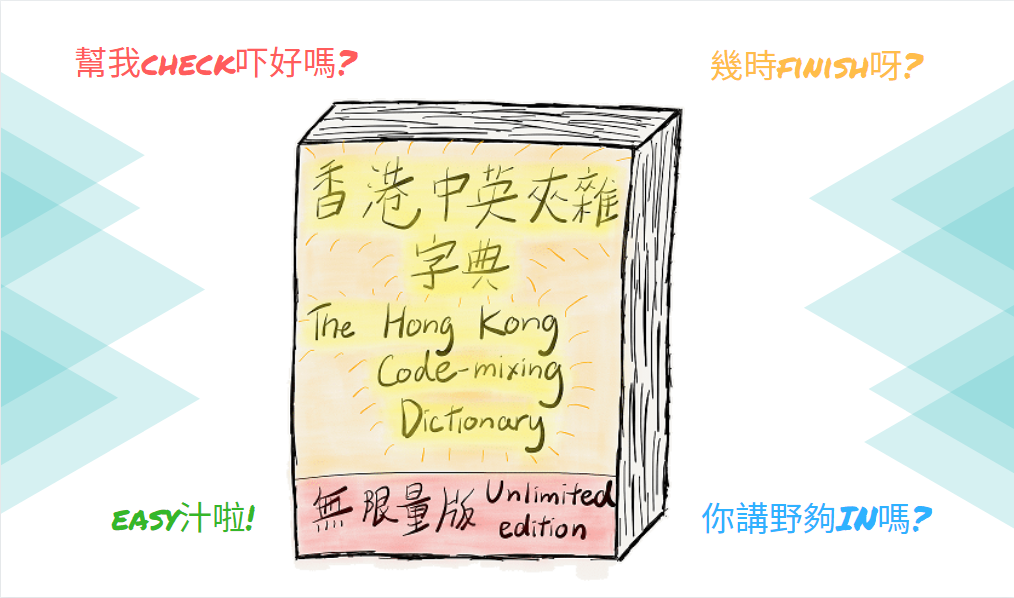
Definition: A code-mixing term used by working class Hong Kongers to illustrate the distance between two parties in terms of their communication, which is often due to their difference in job positions or departments in a company. Sometimes, it may be caused by forgeting to say "double confirm", which is a common phrase used by Hong Kongers at workplace to really make sure that certain information is correct.
Usage: E.g. 其實呢啲communication gap 大家可以做好D減少誤會,寫多兩句confirm is better。(As for these communication gaps, it is better for us all to try and minimise misunderstandings by saying 'confirm' more.)
Synonym: 溝通差距
Reference: https://www.threads.com/@purpzc/post/C-l0fNJyiZM?hl=en
Definition: It is a slang used in casual, humorous contexts to describe the buttocks, often linked to the roundness of the full moon during the Mid-Autumn Festival.
Usage: My first skateboard experience is i fell on my august 15th as soon as I stood on the board!
Synonym: 八月十五
Reference: https://www.cantonese.sheik.co.uk/dictionary/words/32249/
Definition: Translated from ‘要咩有咩’ with ‘咩’ (what) having a similar sound utterance of a sheep, this is a Kongish code-mixing phrase that is said during Chinese New Year to wish someone they can get whatever they need.
Usage: E.g. Gong Hei fat choi! I wish you need sheep have sheep this year!
Synonym: 要咩有咩
Reference: https://hklanguage.home.blog/2019/11/12/kongish-a-new-language-of-hong-kongers/
Definition: Known as Kongish and derived from '長氣', this is a code-mixing term used by native Hong Kongers to refer to a friend who is always so verbose and says the same thing over and over again, like a grandma.
Usage: E.g. 喂,我頂你!唔好咁long gas得唔得呀?!(長氣)
Synonym: 長氣
Reference: https://www.cantonese.sheik.co.uk/dictionary/words/2630/
Definition: 1. (noun) A code-mixing term that working class Hong Kongers love to use to refer to internet access.
2. (verb) A code-mixing term that Hong Kongers like to use to refer to social networking.
Usage: E.g. 今日公司network有D問題,成日search野都好慢,仲間唔中會斷。
E.g. 最近有冇出去同人network?
Definition: A code-mixing term used by native Hong Kongers to refer to having an instinct for what is stylish, which they believe can be developed through nurture.
Usage: E.g. 培養fashion sense前 買衫望多啲款襯下色 除左黑色,唔好由頭到腳都同一隻色 仲要諗下有咩鞋襯到衫 手袋都要襯 (To nurture fashion sense, have a look at more styles and matching colours when buying clothes. Do not choose the same color from head to toe except black. Also think about what shoes match the outfit. Handbags must also match.)
Synonym: 時尚感
Reference: https://lihkg.com/thread/2725538/page/1
Definition: (vulgar) A code-mixing phrase used by overseas educated Hong Kongers to describe something that is very annoying and frustrating to the point where it causes constant trouble or inconvenience, even though it has nothing to do with someone's butt.
Usage: E.g. 之後見到Front desk同事,話果間房客係”pain in the arse”, 佢不停投訴,個個都想佢快L d check out,但佢不停extend (Then I saw my front desk colleague, saying that the guest was ”pain in the arse”. He kept complaining, and everyone wanted him to check out quickly, but he kept extending his stay at the room.)
Synonym: 令人討厭或痛苦的
Reference: https://www.threads.com/share/BBRT_1BUrh/
Definition: A Kongish expression used to describe someone who is so reckless that he or she is almost getting himself killed or into a big trouble.
Usage: You spent all your money on gambling? Do you know how to write the die character?!
Synonym: 你唔知個死字點寫
Definition: Known as Kongish, this is a code-mixing term used by native Hong Kongers to tell somebody to hurry up, which is similar to the phrase 'chop chop' in English. (Also see 'la la lum')
Usage: E.g. Ja ja lum go to school now or you will miss the bus!
Eg. Finish your homework! Ja ja lum la!
Synonym: 咋咋臨

 Instagram